

You spent six months building something real. Something that actually works. And then your college asked you to print it, bind it, and hand it over, so it could sit on a shelf and collect dust.
Sound familiar? You’re not alone. And the frustration is more valid than most people admit.
The Setup Nobody Questions
In most degree programmes, especially engineering, the final year project doesn’t just end with a working product. It ends with a stack of paperwork: a synopsis, a Phase 1 report, Phase 2, Phase 3, a research paper, and then the final report.
Each one has its own format. Specific fonts. Defined margins. A particular header, footer, and binding style, dictated by your college.
Students spend real money on printing and binding. Real hours formatting instead of building. And at the end of it, most of those reports get signed and shelved.
So the question is worth asking out loud: Why?
The Report Cycle That Starts Way Too Early
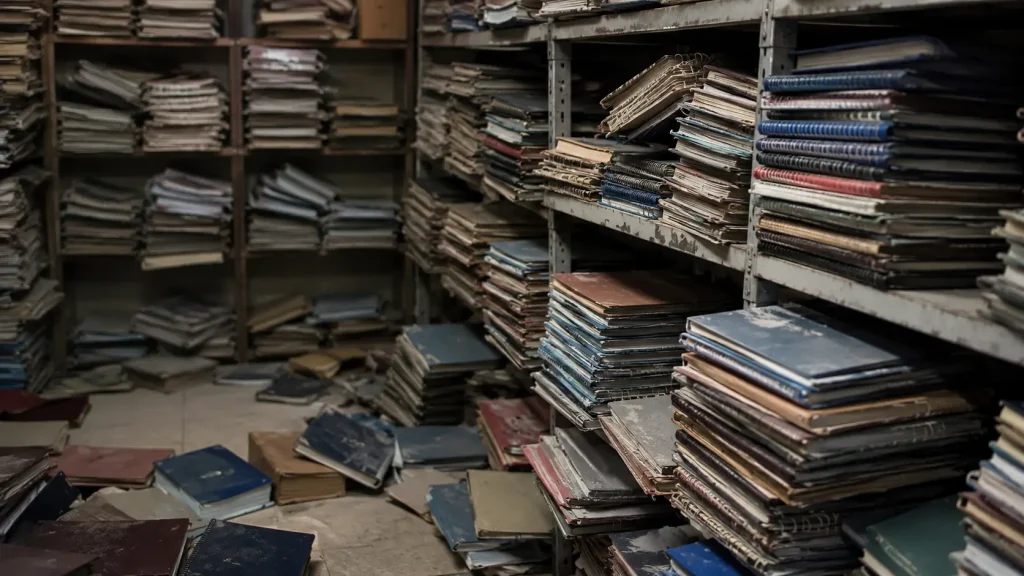
In some colleges, this isn’t just a final year problem. Students are preparing formatted reports for every mini project from their very first semester.
Every assignment. Every lab. Every small group project. Report submitted. Rarely read. Occasionally graded on font size.
Here’s what most people don’t notice: when effort is consistently unacknowledged, students stop connecting the work to the output. The report becomes a ritual, not a record of thinking.
That’s not education. That’s formatting practice.
“When your hardest work gets signed and shelved, you stop believing the report means anything.”
The Fear That Follows You Into Your Job
The damage doesn’t stay in college.
Talk to any fresh graduate in their first few weeks at work. The moment their manager says, “Can you send me a report on this?” something tightens. A quiet panic. A flashback to 3 AM formatting sessions and last-minute binding shops.
The word “report” carries baggage. Unnecessary, heavy baggage, built entirely by an academic system that treated documentation as a checkbox rather than a communication tool.

What a Report Is Actually Supposed to Do
Here’s the thing: in the real world, reports make complete sense.
A progress update for a client. A technical summary for a team. A structured analysis before a decision. These are practical, purposeful, and genuinely useful.
The difference? They communicate something to someone who needs it.
College reports often communicate nothing to no one. The format is enforced. The reader is optional. The purpose is unclear, even to the faculty signing it.
“In your job, a report has a reader, a reason, and a result. College rarely teaches you that version.”
What Could Change
The gap isn’t between students and reports. It’s between how colleges teach documentation and how the real world uses it.
A few small shifts would change everything: letting students write reports in formats that reflect actual industry standards, giving meaningful feedback instead of just a signature, and treating the documentation process as a skill, not a formality. Some colleges are already moving this way. Project wikis, structured GitHub documentation, and digital portfolios are slowly replacing the spiral-bound report in forward-thinking programmes.
The question is whether more will follow, before another generation of students learns to dread a word that should feel useful.
The Bigger Picture
There’s a larger pattern here worth naming.
When an institution repeatedly asks students to do something without explaining why and without acknowledging the effort, it doesn’t just waste time. It builds distrust. Toward documentation. Toward structure. Toward the idea that writing and recording your work has any value at all.
That’s a hard belief to undo once you’re in a workplace that actually needs you to communicate clearly.
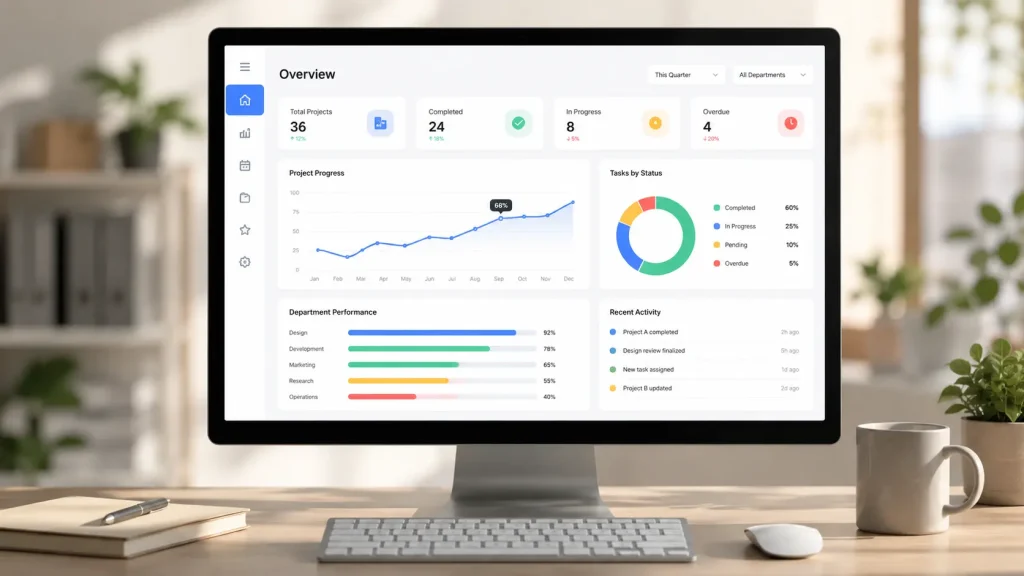
The final year project report, at its best, should be a student’s first real attempt at structured professional communication. At its worst, it’s a trauma trigger disguised as an academic requirement.
Most students have experienced the worst version.
Key Takeaways
- Final year reports involve multiple phases, synopsis, Phase 1–3, research paper, and final submission, each with strict college-specific formats.
- Students spend significant time and money on reports that are rarely read or meaningfully evaluated.
- The culture of report-making from early semesters creates anxiety that follows students into the workplace.
- In professional settings, reports serve a clear purpose, college rarely teaches students this version.
- The fix isn’t removing reports, it’s making them purposeful, feedback-driven, and industry-relevant.
Conclusion
The final year project report doesn’t have to be the thing everyone dreads. It has the potential to be genuinely useful, a record of how a student thinks, builds, and communicates.
But that only happens when the system treats it that way.
Until then, students will keep printing, binding, submitting and quietly knowing that the shelf is where it ends.
There’s a version of this that works. That teaches something real. That leaves students confident about documentation rather than afraid of it.
The real question isn’t why students hate reports. It’s why colleges haven’t asked that question yet.
