
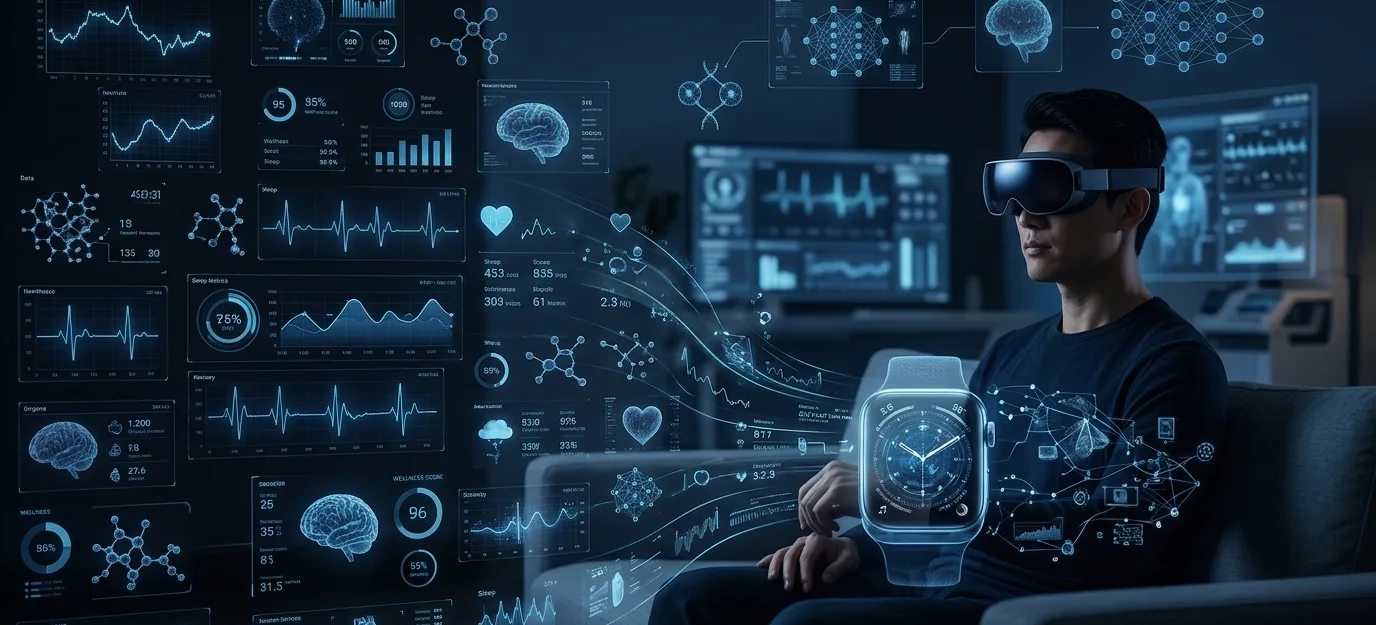

Think about the last time you visited a doctor. Chances are, they spent half the appointment staring at a screen, typing notes, checking boxes, and updating records. You were there, but their attention was somewhere else.
That’s changing.
And the shift goes far deeper than the exam room.
Introduction
Healthcare has always been about two things: catching problems early and treating people well. For decades, technology promised to help with both and mostly delivered tools that created more admin work than they solved.
2026 feels different.
This year, AI isn’t just sitting in the background of hospitals. It’s listening during appointments, tracking your health while you sleep, and handing patients the kind of information that was once locked behind clinical walls. The future of patient care isn’t arriving in one dramatic moment; it’s quietly showing up, piece by piece.
Here’s what’s actually happening.
1. Ambient AI: The Doctor Is Listening Again
Physicians spend a significant part of their day on documentation, not on patients. Clinical notes, billing codes, and visit summaries. It’s a quiet form of burnout that rarely makes the news.
Ambient AI is changing that entirely.
These systems listen to doctor-patient conversations in real time, understand the clinical context, and automatically generate structured notes, often before the appointment even ends. No dictation. No typing. No lag.
The adoption rate tells the real story. Nearly two-thirds of hospitals using Epic Systems have now adopted ambient AI tools, and Athenahealth began offering its AI scribe free to all customers in February 2026.
When doctors stop managing paperwork, they start managing people again. That’s not a small thing; that’s the entire point of medicine.
“When doctors stop managing paperwork, they start managing people again.”
2. Wearables: Your Body, Monitored Continuously
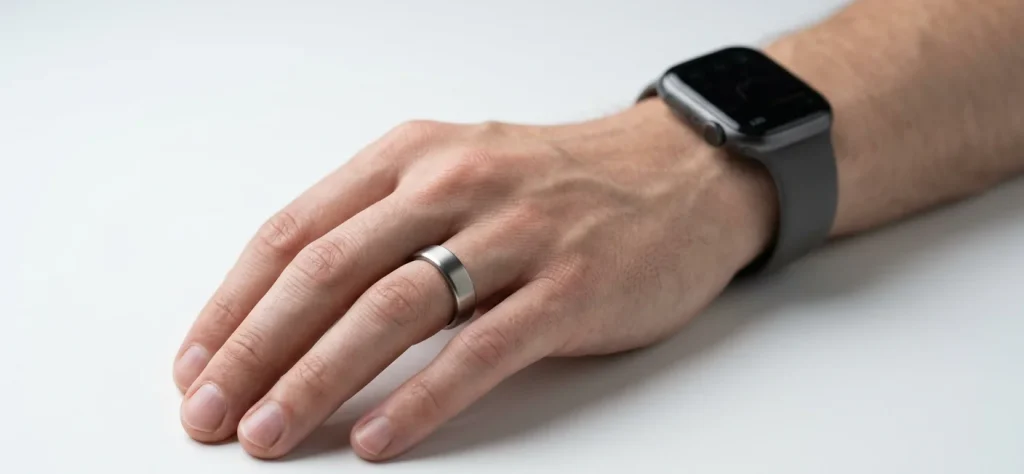
Figure 1: Wearable devices track health signals in real time.
Wearables used to count steps. Now they track heart rhythm irregularities, blood oxygen, stress markers, sleep stages, and early metabolic signals: all day, every day, from your wrist or finger.
The shift isn’t just in what they measure. It’s in what they do with the data.
AI filters the physiological noise, identifies clinically meaningful patterns, and surfaces actionable insights, turning a consumer gadget into a continuous model of care. The global market for AI-powered wearables is forecasted to surpass USD 39 billion by 2026.
Smart rings are leading this quietly. Newer models integrate illness prediction, readiness scores, and early blood pressure estimation in a form factor most people forget they’re wearing.
Here’s what most people don’t notice: the real value isn’t the device. It’s the pattern recognition happening behind the scenes, every hour, without asking anything of you.
“The device just sits there. The AI is doing the work.”
3. The Future of Patient Care: From Clinic to Continuous
This is where the title earns its weight.
Patient care is no longer something that happens only inside a hospital. AI is pulling it outward, into homes, onto wrists, into the hands of the patient themselves.
People now have AI tools that can scan their own medical records, flag inconsistencies in lab results, and ask their doctors why a treatment deviated from the latest clinical guidelines. For generations, healthcare ran on a quiet trust: just follow what the doctor says. That dynamic is shifting, not away from doctors, but toward a more informed conversation between both sides.
At the same time, CES 2026 reinforced that intelligent healthcare tools are no longer niche; they are becoming standard parts of daily health management, with AI diagnostics bringing early detection into homes.
Care is becoming proactive. Personalised. Closer to the patient. That’s the future this article’s title promises, and it’s already here.
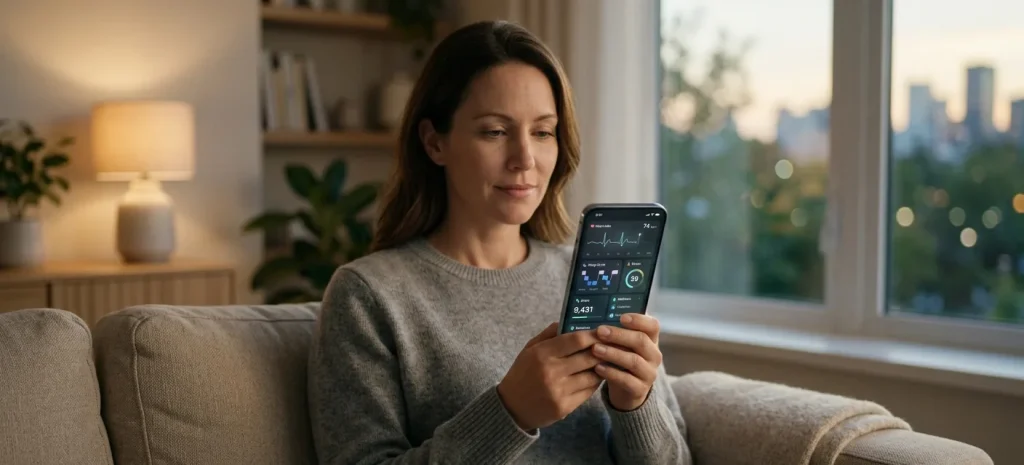
Figure 2: A glimpse into everyday AI-powered healthcare, where personal health insights are seamlessly tracked and understood in real time from the comfort of home.
Key Takeaways
- Ambient AI is automating clinical documentation in real-time. Adoption is accelerating fast in 2026.
- AI-powered wearables have evolved from step-counters to continuous, clinical-grade health monitors.
- Patient-side AI tools are shifting care from reactive treatment to informed, ongoing engagement.
- The overarching shift: healthcare is moving toward the patient, quieter, smarter, and more personal than ever.
Conclusion
The most powerful technologies are often the ones you stop noticing.
That’s the direction healthcare is heading. An AI that writes the note so the doctor can hold eye contact. A ring that spots the warning three weeks before symptoms appear. A patient who walks into an appointment already knowing the right questions to ask.
None of this replaces the human in healthcare. It removes what was getting in the way of them.
Which is worth sitting with:
If AI handles the documentation, the monitoring, and the early warnings, what does that finally free the human in the room to actually be?
