
You ask your AI coding assistant to fix one small thing. It does it confidently.
Then your app breaks in three different places you didn’t even mention.
Sound familiar?
That’s not an AI failure. That’s an awareness failure. And a student built an open-source fix for it.
Introduction
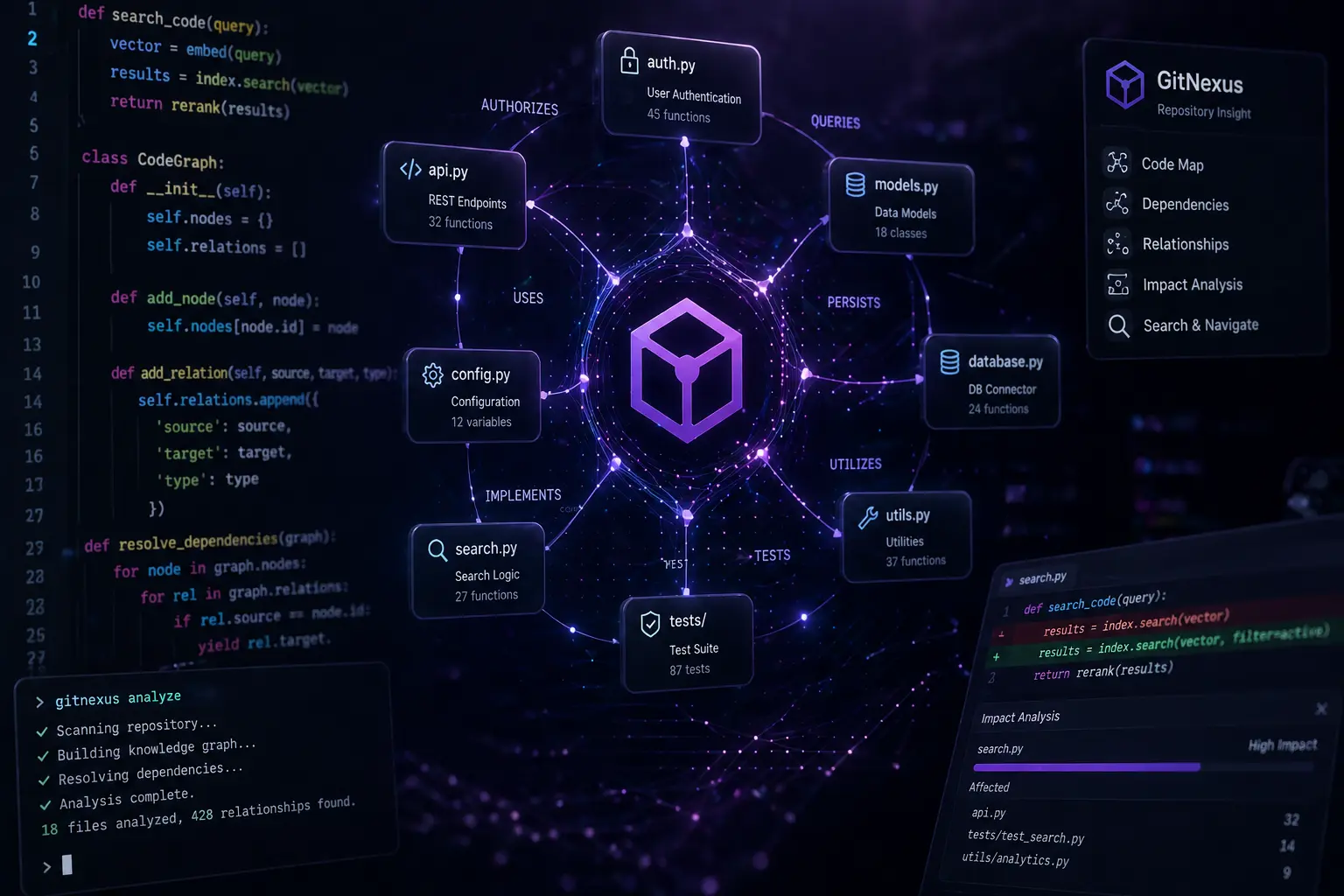
GitNexus is a free, open-source tool that gives AI coding assistants a complete map of your codebase before they touch a single line.
Not a summary. Not a scan.
A full structural picture of every connection, every dependency, every relationship between files. The core problem it solves is quietly common: you ask Claude Code or Cursor to modify a function, and the agent does it confidently, cleanly, and incorrectly because it had no idea that dozens of other functions depended on what it just changed.
GitNexus was built to stop that from happening.
What GitNexus Actually Does
Think of it like this. Most AI coding tools read your code the way a new employee skims a document: they catch the obvious parts, miss the context, and occasionally make changes that ripple into problems nobody saw coming.
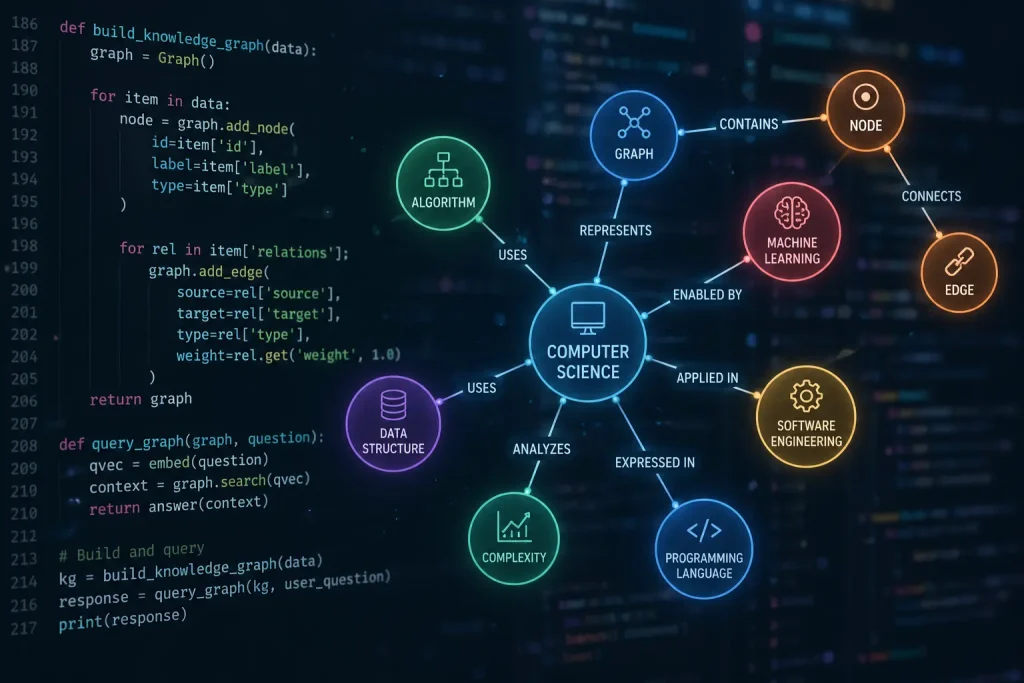
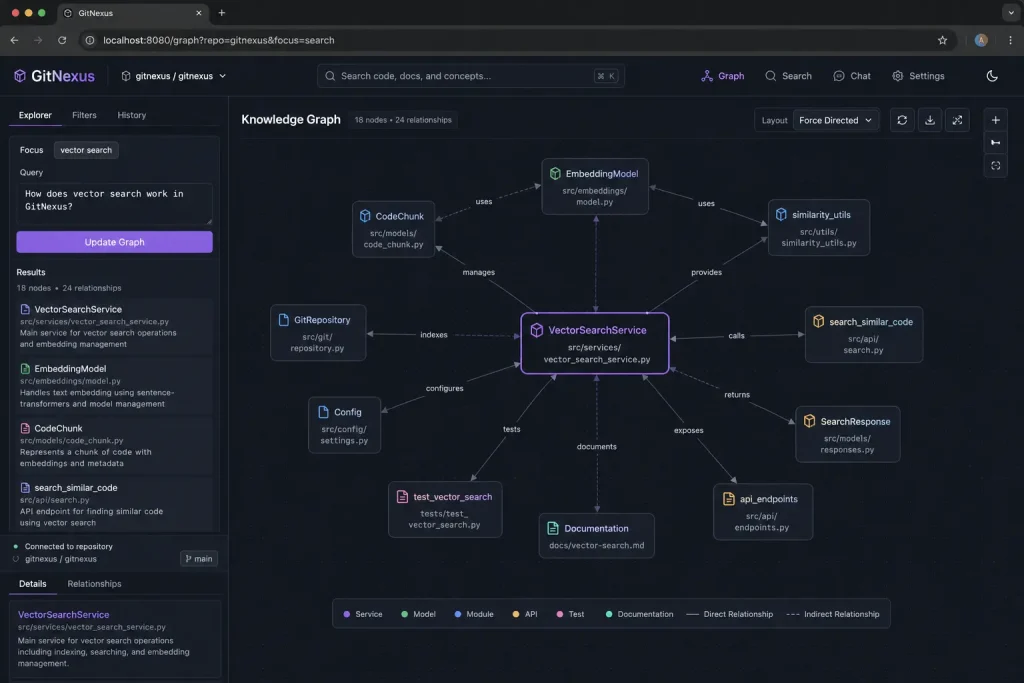
GitNexus works differently. It indexes any codebase into a complete knowledge graph tracking every dependency, call chain, functional cluster, execution flow and exposes that deep architectural awareness to AI coding assistants before they make edits.
The agent stops guessing. It queries a map that already exists.
The difference between an AI that reads your code and one that truly understands your code’s structure is the difference between a helpful assistant and an expensive liability.
Why It Matters Right Now
AI coding tools are everywhere. Cursor. Claude Code. Codex. Windsurf.
Millions of developers now write code alongside these assistants every day.
But here’s what most people don’t notice: these tools don’t actually understand your codebase structure. They edit a function without knowing that 47 other functions depend on it.
Every blind edit is a risk. GitNexus sits between your codebase and your AI tool, quietly providing the structural context that makes the difference between a good suggestion and a breaking change.
Claude Code gets the deepest integration, with tools for queries, guided workflows for exploring, debugging, impact analysis, and refactoring, plus hooks that enrich searches with graph context before any tool is used.
Here’s the part worth pausing on.
An Indian computer science student built this. The project now sits at 28,000+ stars and 3,000+ forks on GitHub with 45 contributors. That’s not a product launch. That’s a community recognising a real problem and rallying around a real solution.
And the solution runs entirely on your own machine.
Your code never leaves. No subscriptions. No servers. Just a smarter AI coding experience.
Key Takeaways
GitNexus gives AI coding assistants a structural map of your entire codebase before they make any changes, preventing the blind edits and missed dependencies that quietly break things.
It’s open-source, runs locally, and works with the tools most developers already use.
The project was built by a student and has grown into one of the most thoughtful developer tools in the AI coding space.
Conclusion
AI coding assistants are only as good as what they know. And right now, most of them are working with incomplete pictures, doing their best with fragments of context, hoping the edits they make don’t break something they couldn’t see.
GitNexus doesn’t make AI smarter. It makes AI aware.
And that quiet shift from an assistant that guesses to one that understands might be exactly what makes the difference between shipping confidently and debugging for two hours.
The tool is free. The code is open.
The question is just, why aren’t more people using it?
